
How Much Does It Cost to Build a House in Delaware?
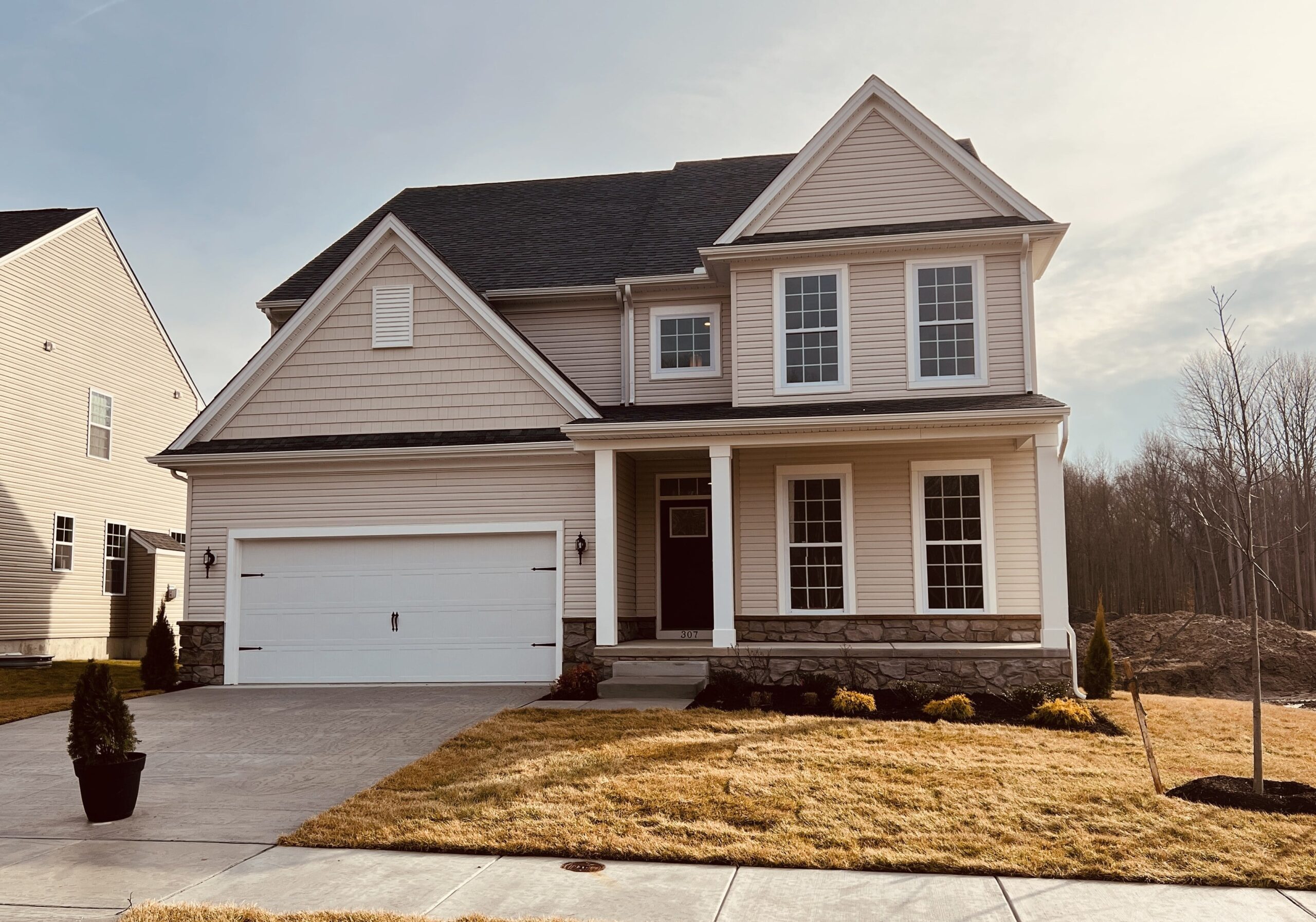
If we are asking about the cost to build a house in Delaware, the honest answer is that there is no one number that magically covers every situation. Cost depends on where we are building, whether land is already part of the picture, how much site work is needed, how complex the floor plan is and how far we want to go with finishes and upgrades. That is exactly why this question feels so big at first. At Handler Homes, we understand that buyers aren’t just asking for a price tag. They are trying to figure out what really drives the number and how to make smart choices without feeling buried by the process. As a family-owned Delaware home builder that has been building since 1975, with thousands of homes across the state, we spend a lot of time helping buyers look at cost in a way that feels clearer and more manageable.
Key Takeaways
- There is no single Delaware build cost because land, site work, size and finishes all change the number.
- Permit fees and local requirements vary by municipality, so location matters more than people expect.
- Floor plan complexity and upgrades can move the budget quickly.
- Buying in a planned community can feel more predictable than building entirely from scratch.
- The smartest way to budget is to start with lifestyle and priorities, not just a square-foot number.
The Cost to Build a House in Delaware Depends on More Than One Number

This question is harder than it sounds because “build cost” is really a bunch of different costs grouped together. National homebuilding research shows that construction itself is only part of the final sales price of a new home. Lot costs, overhead, financing, permits and other factors all play a role too. So when people go looking for one clean statewide average, they usually end up more confused than they were before. The better question is not “What is the number?” It is “What is included in the number we are looking at?”
Land, Site Work and Permits Can Change the Budget Fast
A lot of people focus on the house itself first, but some of the biggest swings happen before the home is even fully underway. Land can change the entire conversation. Site work can change it again. Grading, utility connections, drainage needs and municipality-specific requirements can all push the budget around. Permit fees also vary depending on where we are building. For example, Middletown’s published fee schedules show separate charges tied to valuation, certificates of occupancy and utility-related fees, which is a good reminder that local requirements are not one-size-fits-all.
Size and Floor Plan Complexity Matter More Than People Think
Square footage matters, of course, but the shape of the home floor plan matters too. A larger footprint usually costs more, but so does a design with more complicated rooflines, extra corners, specialty spaces or structural features that make the build less straightforward. That is one reason two homes with similar square footage can still land in very different places financially. The budget is not just responding to size. It is responding to how the home is designed and how much complexity comes with it.
Finishes and Upgrades Are Where the Budget Can Shift Quickly
This is the part buyers usually feel most personally because it is where style starts showing up. Cabinets, countertops, flooring, lighting, bath finishes, appliances and structural options can all move the final number faster than expected. Customizable plans, open layouts, energy-efficient construction and quality finishes are a big reason pricing can look different from one home and one new home community to the next. Some buyers want a simpler starting point. Others want to personalize more heavily. Both are valid. They just land differently on the budget.
Home Type Changes the Equation Too
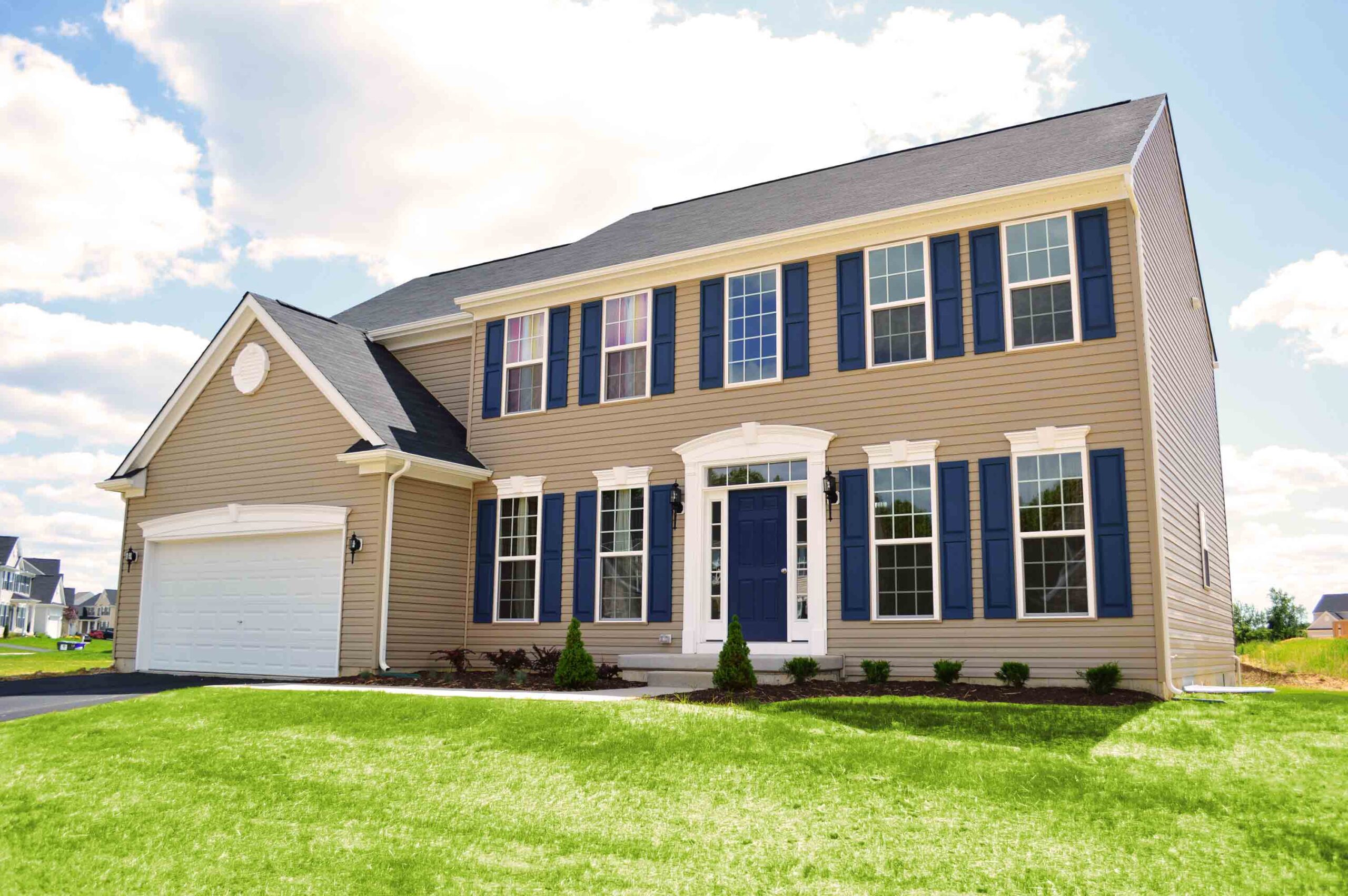
Not every new home in Delaware is built to the same budget or lifestyle. A townhome, a single-family home, a carriage home and 55+ homes can all come with different cost structures and different priorities, which is why new-home pricing is never really a one-size-fits-all conversation and a reminder that “new home cost” is not just about one category of buyer or one style of home.
If Building From Scratch Does Not Feel Like the Right Fit, A New Construction Home May Be
For some buyers, building from the ground up sounds exciting at first, but once they start thinking about land, site work, permits, timelines and all the moving parts, it can start to feel like more than they really want to take on. And honestly, that is completely fair.
A new construction home in an established community can be a much more comfortable middle ground. We still get the appeal of a brand-new home, a modern layout, energy-efficient construction and updated finishes, but with a process that often feels much more predictable. Instead of trying to piece everything together from zero, we can choose from communities, floor plans and home types that already give us a clearer sense of price, timeline and what is included.
That is one reason this path feels so practical for a lot of buyers. It takes away some of the uncertainty without taking away the excitement of buying new.
At Handler, that can mean exploring a range of new home communities across Delaware, with options that include single-family homes, townhomes, carriage homes and 55+ living, depending on what stage of life and style of home feels right. And for buyers who want even more clarity, quick move-in homes can make things feel simpler still. When a home is already under construction or nearly complete, it becomes easier to picture the timeline, understand the selections and move forward with fewer unknowns.
For a lot of people, that kind of path feels less overwhelming and a lot more doable. It is still a new home. It just comes with a little more structure and a lot less guesswork.
Building in a Community Can Feel More Predictable Than Starting From Zero
For many buyers, this is where the whole picture starts to feel less overwhelming. Buying in an established community with set floor plans, known home types and a clearer path to pricing often feels more predictable than trying to build entirely from scratch on our own. That does not mean there is no flexibility. It just means there is usually more visibility into what is included, how the process works and where the budget is most likely to move.
That kind of structure can make a big difference, especially for buyers who want a brand-new home but do not want every part of the experience to feel open-ended.
Cost Is Also About What the Home Gives Back Over Time
This part gets overlooked all the time, but it matters. Cost is not just about the price we see up front. It is also about what the home gives us back over time. Energy-efficient construction, smarter layouts, lower-maintenance living and a home that truly fits our day-to-day life can all add long-term value in ways that go far beyond the initial number.
The Best Budget Starts With Knowing What We Actually Want

The clearest path is usually not chasing a perfect statewide average. It is getting honest about what we actually want. Do we want a townhome or a single-family home? Do we need a 55+ community? Are we hoping to customize heavily, or would a more streamlined community build feel better? Once we answer those questions, the budget conversation becomes much more useful because it starts reflecting real priorities instead of abstract numbers.
FAQ
What is the average cost to build a house in Delaware?
There is no single average that cleanly covers every situation. Land, site work, local fees, home type and finishes all affect the number, which is why ranges and examples are usually more useful than one statewide figure.
What affects the cost to build a house in Delaware the most?
The biggest drivers are usually land, site work, permits, square footage, floor plan complexity and design selections. Home type matters too, because a townhome, single-family home and 55+ home will not all be priced the same way.
Do permit fees matter much when building in Delaware?
Yes. Permit and inspection fees vary by municipality, and local utility-related charges can also affect the budget. That is one reason location can shape cost more than people first expect.
Is it cheaper to build from scratch or buy in a new-home community?
For many buyers, a planned community can feel more predictable because the builder already has established floor plans, pricing structure and process. Building fully custom may offer more freedom, but it can also introduce more moving parts.
How do upgrades change the final cost?
Upgrades can shift the budget quickly because kitchens, baths, flooring, cabinetry and structural options all add up. Even homes that start from a similar base can end in different places depending on selections.
Why does home type matter when comparing cost?
Because different home types come with different footprints, layouts, included features and community settings. Handler’s offerings range from townhomes to 55+ living and larger single-family homes, so the cost conversation changes depending on what kind of home we are actually comparing.
Is building from scratch the only way to get a new home in Delaware?
Not at all. For many buyers, a new construction home in an established community can be a more approachable option. It still gives us a brand-new home, but with a clearer process, more predictable pricing, and, in some cases, quick move-in opportunities that reduce the wait and the uncertainty.
The Right Budget Usually Starts With the Right Questions
The best way to think about the cost to build a house in delaware is to stop hunting for one perfect number and start understanding the choices that shape it. That is usually where the stress starts to ease up. Once we know what kind of home we want, where we want to live and how much customization really matters to us, the budget starts feeling a lot more real and a lot less intimidating. Handler Homes has been helping Delaware buyers navigate that kind of decision-making since 1975, across multiple home types and communities, and that kind of experience matters because clarity is often the thing people need most.
The smartest budget is rarely the one built around a random average. It is the one built around the way we actually want to live.